

Italy offers a huge variety of wonderful places to visit. From the lively south, rich in history and flavours, to the scenic north with its lakes and mountains, each region has its own unique character. In this post, I’ve put together a summary of some of the Italian destinations we personally loved, from south to north – from Naples all the way to Lake Como. Each destination offers something different, whether it’s historic sites, beautiful landscapes, or attractions that also work well for families.
By the way, although Lake Maggiore and Lake Como are not cities, I chose to include them because they are destinations worth visiting, and I have many recommendations from our trips there. Naples
Naples is a city in southern Italy, located on the coast facing the Bay of Naples, with Mount Vesuvius rising nearby. It is a large and energetic city that combines deep history, narrow streets, busy markets, and well-known local food – especially pizza, which Naples is famous for. We visited Naples briefly during a cruise stop with our two young daughters and found quite a few ideas for things to do in a short time. Since our visit was limited, we focused on a few key highlights, and we’ll need to return to experience more of what the city offers.
We started the morning at Castel Nuovo, one of the city’s landmarks located near the port – a fortified 13th-century castle with tall towers and a massive stone gate. The girls especially enjoyed walking through the castle corridors. From there, we continued to Piazza del Plebiscito, the city’s main square, surrounded by the Royal Palace on one side and an impressive church on the other. The open space gave the kids room to run, while we enjoyed the atmosphere and architecture. We then walked toward the waterfront with views over the bay, saw boats and yachts in the harbour, and stopped for Italian gelato at a local café.
There is much more to do in Naples. We also visited Villa Comunale, where the girls enjoyed watching birds and walking around the park. If you have an extra day, it’s worth considering a trip outside the city – Pompeii is about 30–40 minutes away and offers a unique look at ancient Roman life. Another option is taking a ferry to Capri. We also saw family pizza-making workshops offered in the city and saved that for next time. We ended the day with a local coffee called Cremosito and a Neapolitan pastry. For more details, you can read the full post about Naples with kids. 


Rome
Rome is a city with an enormous number of things to see and do – famous historical landmarks, many good Italian restaurants, cafés, and bars. We visited Rome twice: once as a couple and once with our young daughters. Before the family trip we had some concerns – mainly the summer heat and walking conditions – but in practice, we enjoyed it very much. Even after several full days, we felt there was still more to see, and the girls adapted well to the pace. In our experience, Rome works well even with young children.
Rome offers such a wide range of sites and experiences that everyone can find something that interests them. We combined major landmarks with lesser-known spots. We didn’t skip the classics – the Colosseum and the Vatican – even when viewed only from the outside on this visit, they were still impressive for the kids. We visited the Orange Garden and the Rose Garden on Aventine Hill for city views, joined a free walking tour to hear stories and background details, and wandered through markets and piazzas such as Campo de’ Fiori. Getting lost in the small streets, stopping for gelato or a quick espresso, and simply absorbing the street atmosphere was part of the experience.
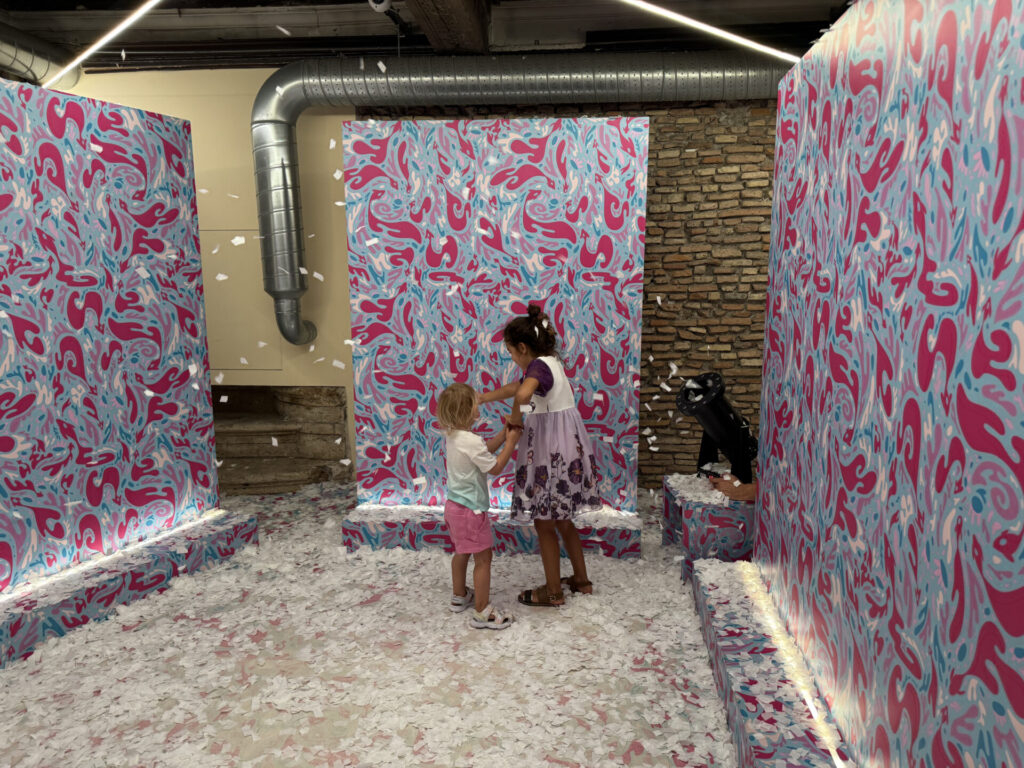
Traveling in Rome with children turned out to be easier than expected. We added park time, especially Villa Borghese, with lawns, a small boating lake, and playgrounds, and also Villa Doria Pamphili. We used the Hop-On Hop-Off tourist bus to reduce walking distances. On a particularly hot day, we visited the interactive IKONO Museum, which worked well with kids. Evenings were spent in central piazzas with street musicians and open cafés while the girls played near the fountains. The mix of major sights and family-friendly breaks worked well for us. You can read the full Rome post and the separate Rome with Kids guide for more details. 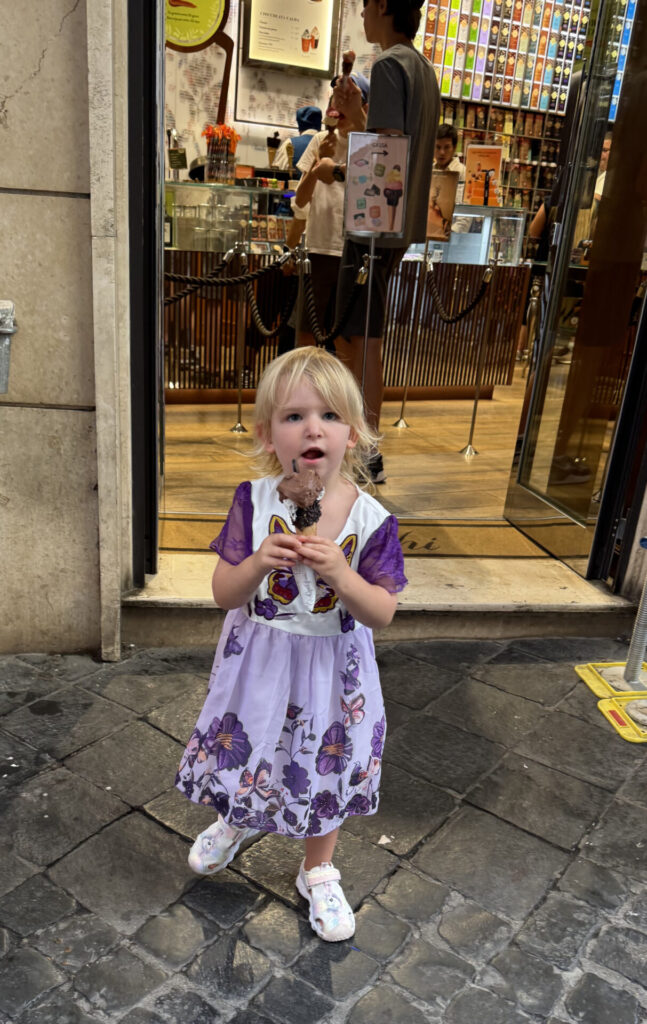



Milan
I visited Milan together with my two sisters and my brother as part of a trip that also included Lake Maggiore. Milan offers a strong combination of history, culture, fashion, and urban atmosphere. We only spent two days there, but the city still made a strong impression on us. Although Milan is mainly known as a fashion capital and business center, as travelers we discovered sides of it beyond the classic tourist sites such as the Duomo and Galleria Vittorio Emanuele. It’s a city that can surprise you, and I’m sure I’ll return, since two days were not enough to explore it properly.
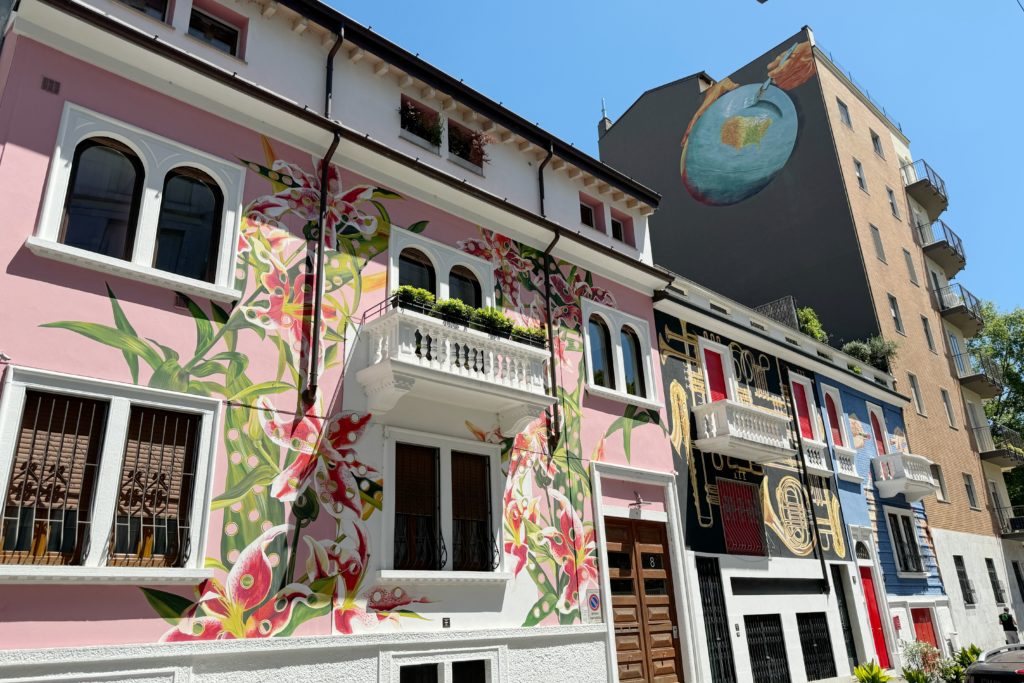
We focused on a few unique experiences. One of the most interesting things we did was a guided walking tour about the hidden stories of Milan, which I booked through Airbnb Experiences. Our local guide showed us lesser-known corners of the city, including an old church that had been closed since World War II and only recently reopened, along with unusual wall paintings and behind-the-scenes stories. Beyond that, we explored on foot and discovered trendy neighborhoods, including the lively Garibaldi area with small shops and street art. We also stopped at a Thai spa we found to relax and get a foot massage after a long walking day – proof that even in busy Milan you can find quiet breaks. We even got a small shared tattoo at a local studio as a trip memory.
On our last evening, we chose to invest in a good dinner and went to a chef’s restaurant that came highly recommended. The meal was excellent, with classic Italian dishes given a modern touch. For more details and specific recommendations, you can read the full post: Things to Do in Milan. 


Lucca
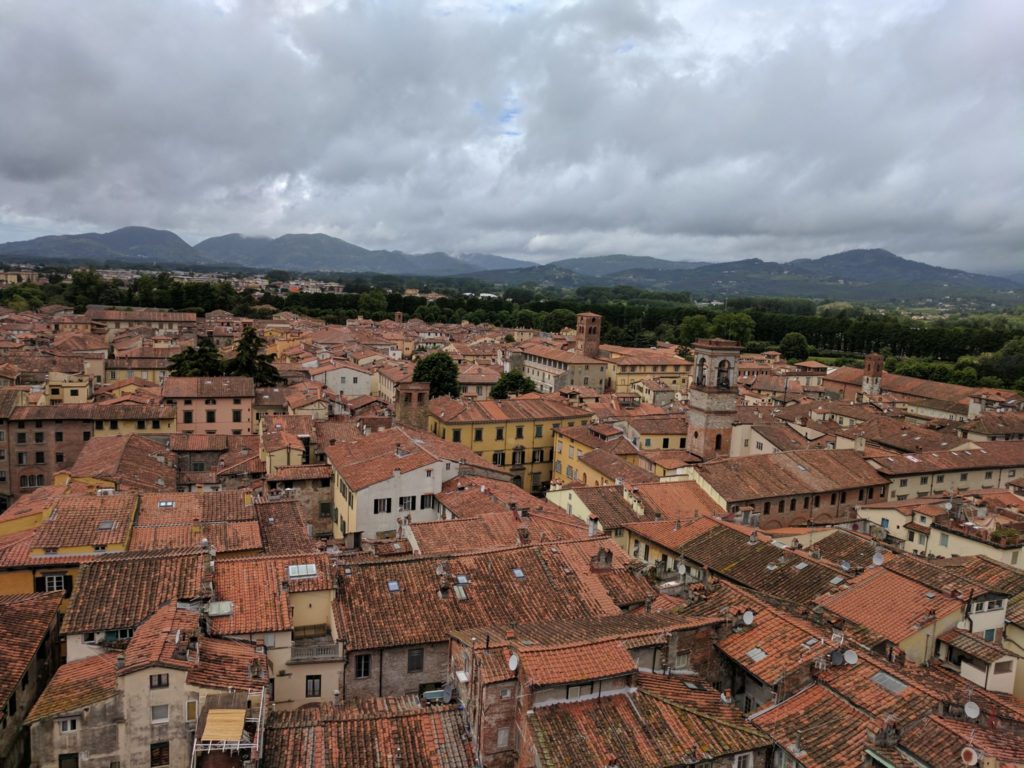
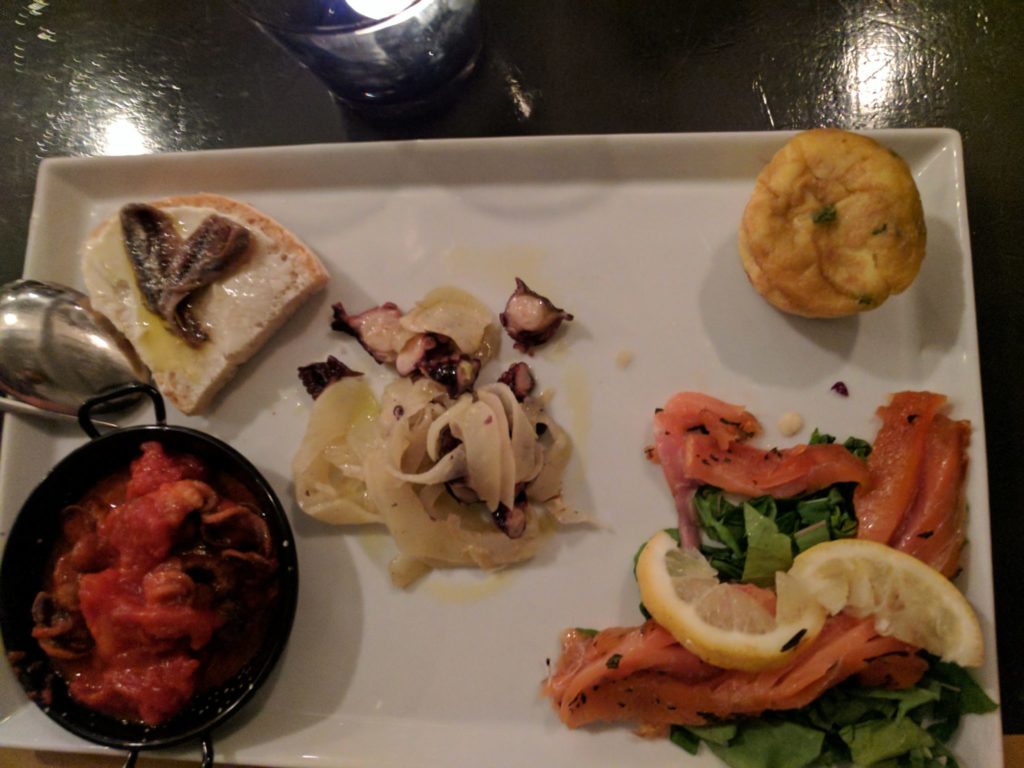
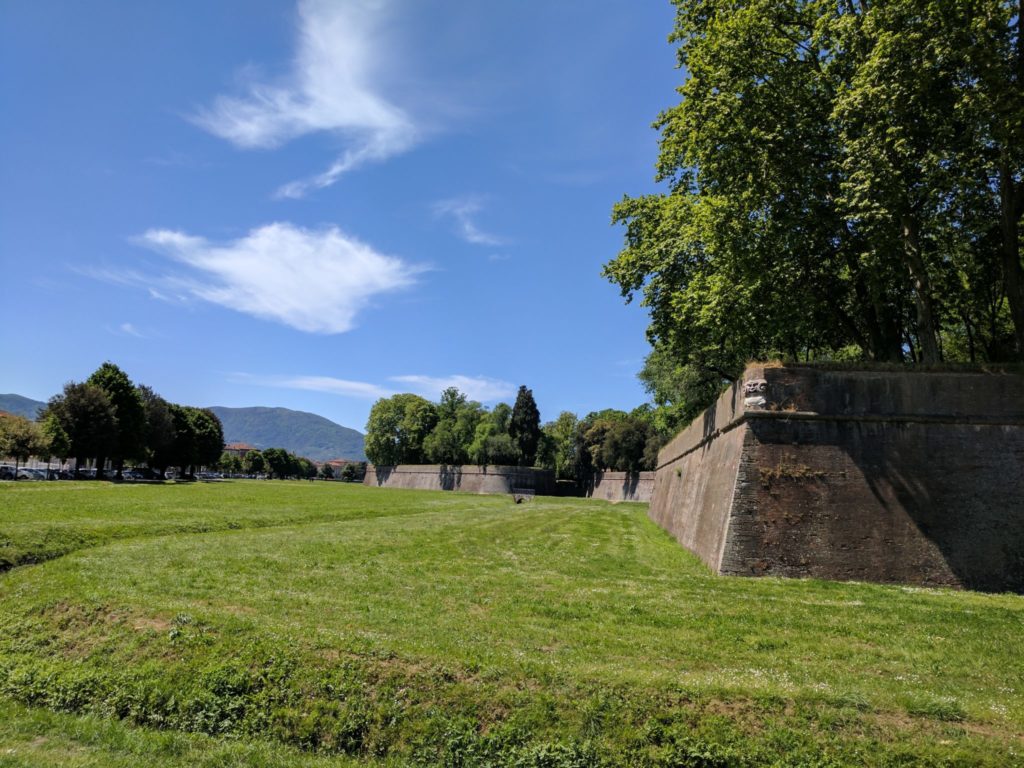
Lucca is a picturesque city in Tuscany in north-central Italy. It is especially known for the ancient Renaissance walls that fully surround the old city. Inside the walls, you’ll find a network of narrow streets, beautiful piazzas, and historic churches, all with a calm, local atmosphere. The city is surrounded by green hills, which makes it a good destination for walking and cycling. Alongside its architecture and history, Lucca also offers local food and neighborhood cafés. It’s a good option for travelers looking for a quieter stop in Tuscany.
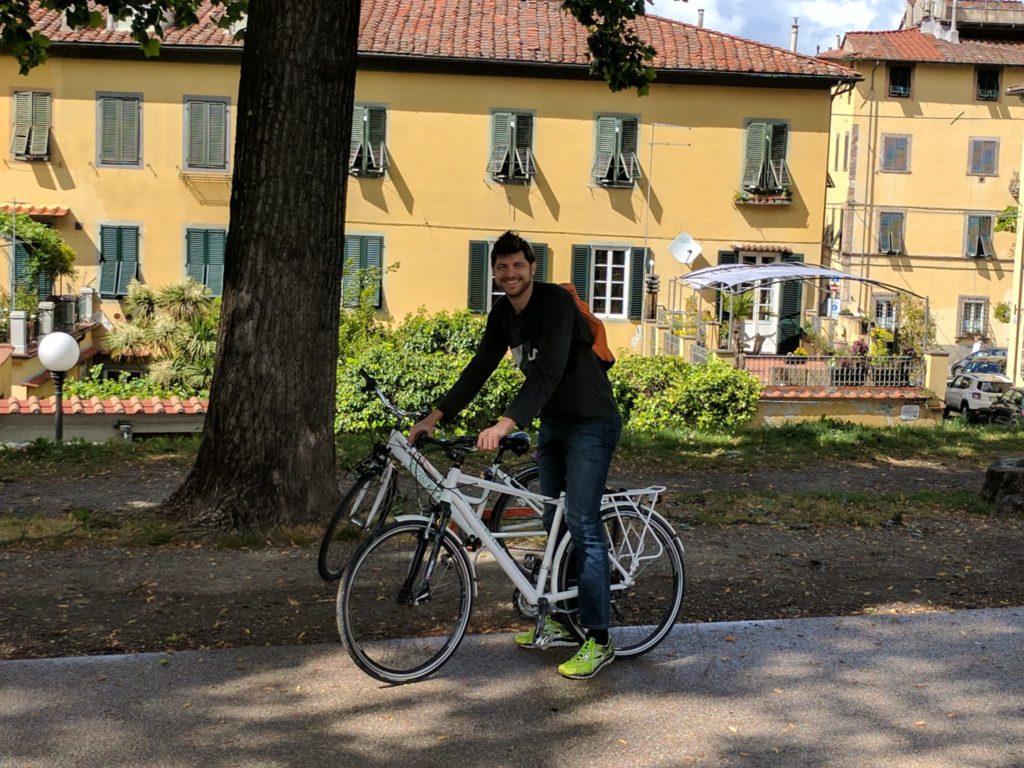
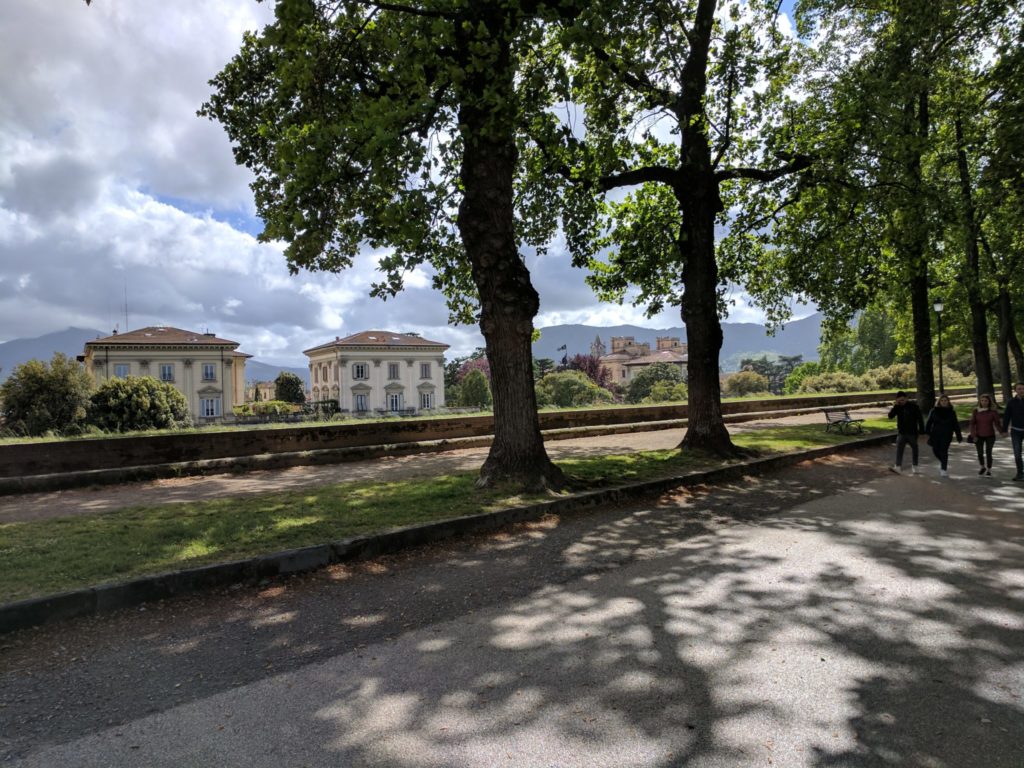
One of the most enjoyable things to do in Lucca is to rent bicycles and ride along the city walls. The walls are wide and function like a green park with bike paths, benches, and picnic areas. The ride gives you an elevated view over rooftops, towers, and the surrounding hills, and the route is mostly flat and suitable for most visitors. We stopped at several points along the way to take photos and go down into the city. We also climbed the old clock tower – about seven floors of wooden stairs – and reached a panoramic viewpoint over the city. It’s one of the better observation spots in Lucca.
Lucca is also close to other well-known Tuscan destinations such as Pisa (about 30 minutes away) and Florence (about an hour and a quarter), so it can easily be combined into a regional itinerary. For us it worked well both as a base for day trips and as a destination on its own. The relatively quiet pace and local feel added a lot to the experience. You can read the detailed post here: Lucca – A Beautiful City in Tuscany. 
La Spezia
La Spezia was a positive surprise for us. It is a port city in northwestern Italy, in the Liguria region, between Pisa and Genoa. Many travelers know the name mainly as a transit point to Cinque Terre or as a base for day trips, and I hadn’t really heard much about it myself before planning our cruise stop there. At first, I even considered staying on the ship because traveling far with two small girls during a short stop felt complicated. After some additional research, I realized the city itself has enough to offer and is not just a gateway.
La Spezia turned out to be a pleasant, local-feeling city with a long seaside promenade, a marina, and a lively center that is not overly crowded with tourists. We visited as a family with two young daughters and were glad we chose to explore it. Right outside the port we found a small tourist train that runs a 35-minute loop around the city every half hour and stops near the central square. It was an easy and convenient way to get an overview, and the kids enjoyed the ride.
One of La Spezia’s main advantages is its location as an access point to Cinque Terre. Since we had only half a day after visiting the city, we chose to visit one village – Manarola – reached by a short train ride from La Spezia station. We walked through the streets, reached a small playground with open views over the sea and vineyards, and finished with a stop at a local bar terrace overlooking the village, with prosecco and bruschetta. From there it’s easy to continue by train to other nearby villages or return to La Spezia. For more details, you can read the full post: La Spezia with Kids. 


Venice
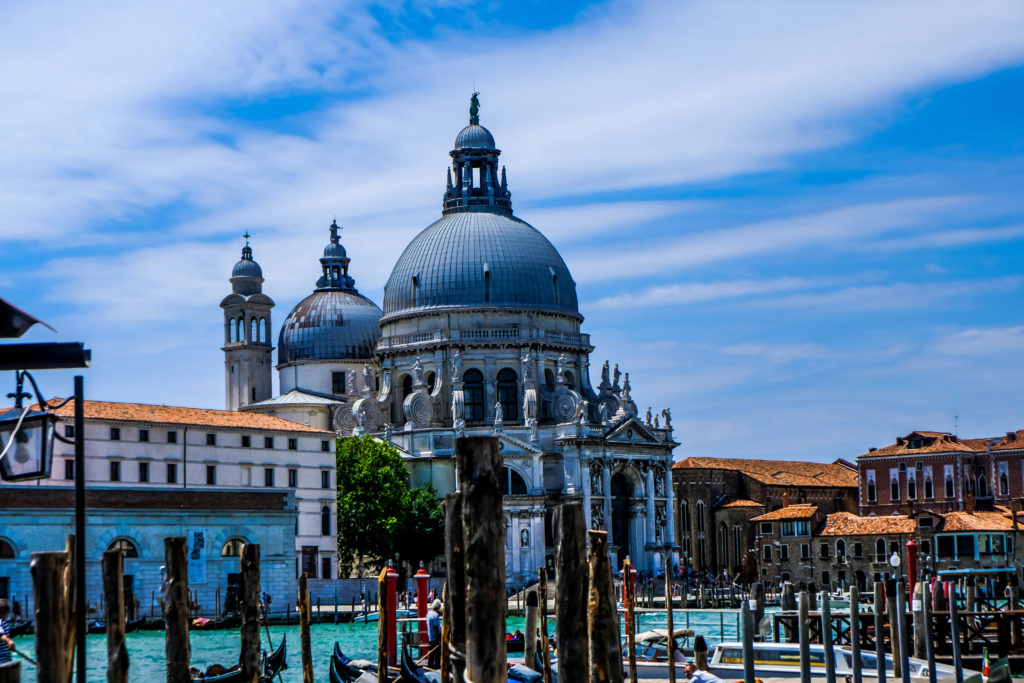
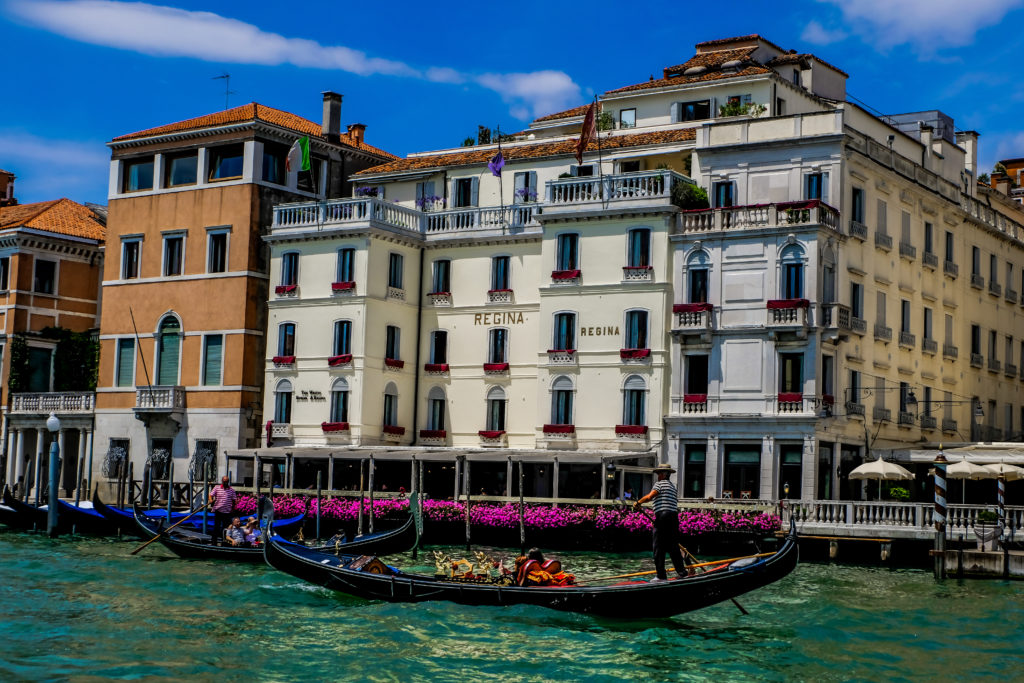
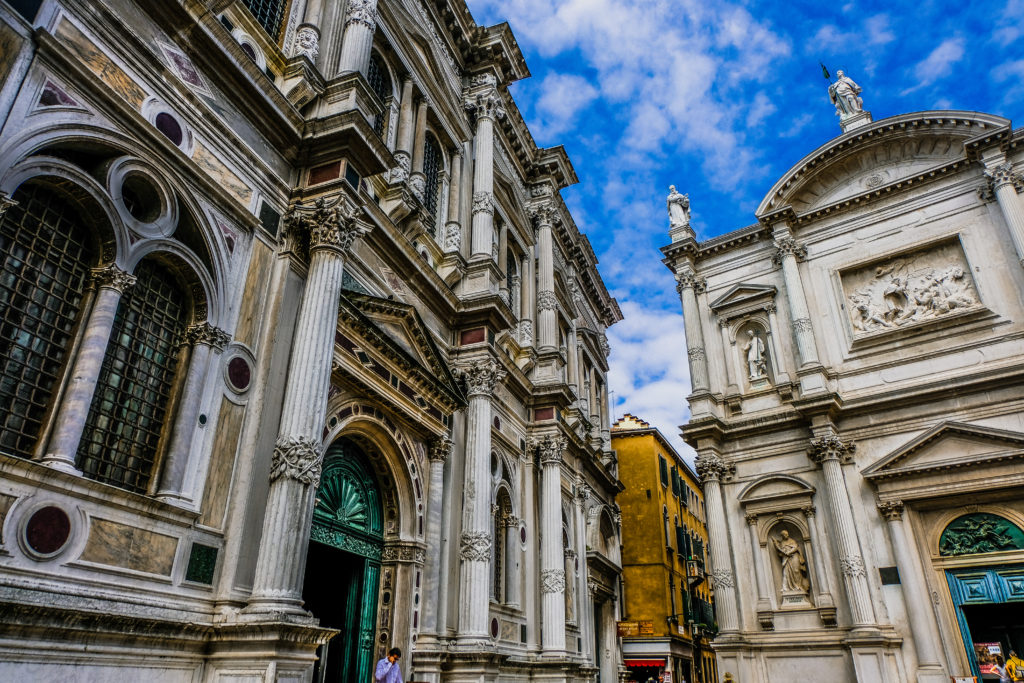
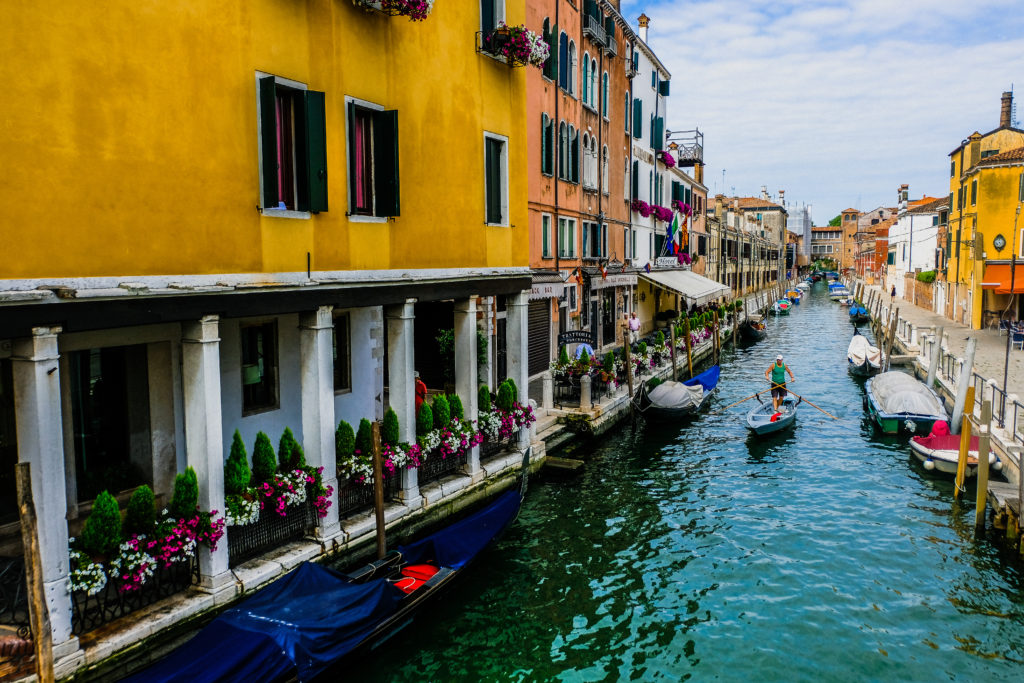
Venice – the “city of canals and bridges” – is one of the most well-known romantic destinations in Italy. The city is built on a lagoon in the Veneto region, and getting around is done only by walking or by boat, since there are no cars at all (not even bicycles). We visited Venice as a prelude to a cruise that departed from the city. After many trips to Italy, this was our first time there. It did not disappoint, though it is definitely very touristic and crowded.
A visit to Venice usually includes at least one proper coffee stop, although we found it a bit challenging to find a place that didn’t feel like a tourist trap. In the end, we settled for a standing espresso at a small side-street bar – which is also part of the experience. Of course, we also had Venetian gelato while walking between the canals. A gondola ride is one of the city’s most identified attractions, but the private ride prices were quite high, so we chose to skip it. Those who want the experience can consider a shared guided gondola ride at a lower cost. For more tips and ideas, you can read the full post: Venice – The City of Canals and Bridges. 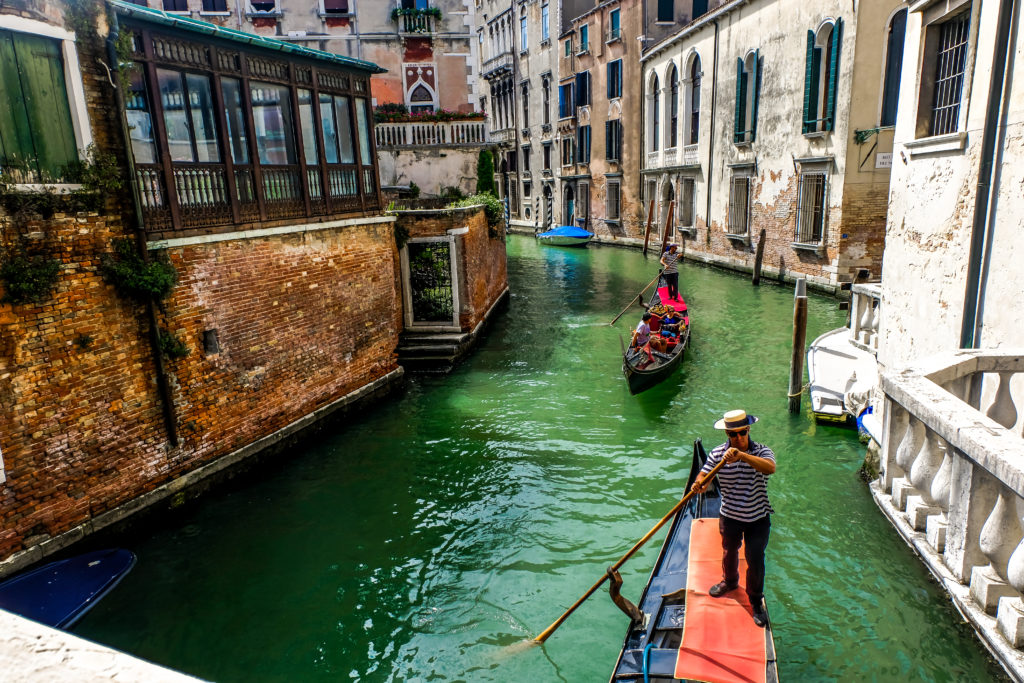

Lake Maggiore
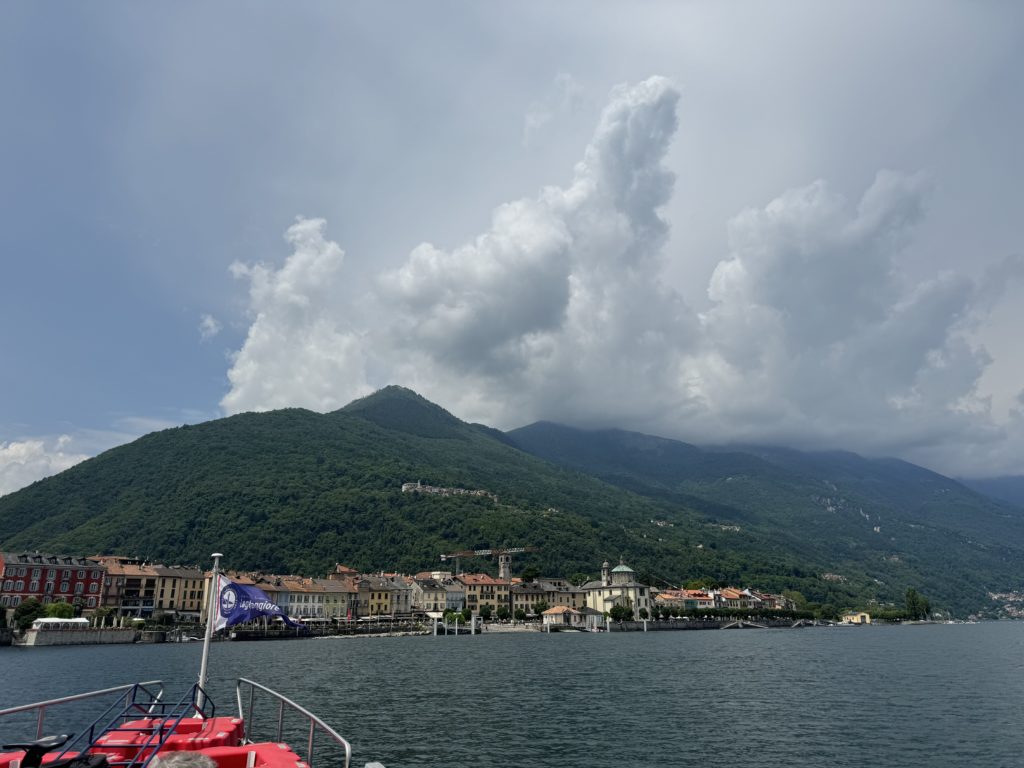
Lake Maggiore is one of the large and well-known lakes in northern Italy, with its northern part extending into Switzerland. We met in Milan – my two sisters, my brother, and I – rented a car, and drove about an hour and a half north to the lake. We visited during the shoulder season, so we did not feel tourist crowds, which made the experience more relaxed. We stayed in a small town called Agra in a hillside Airbnb villa overlooking the lake. Each morning opened with a wide lake-and-mountain view. The area felt authentic and quieter than more heavily visited lake destinations, with small towns spread along the shoreline.
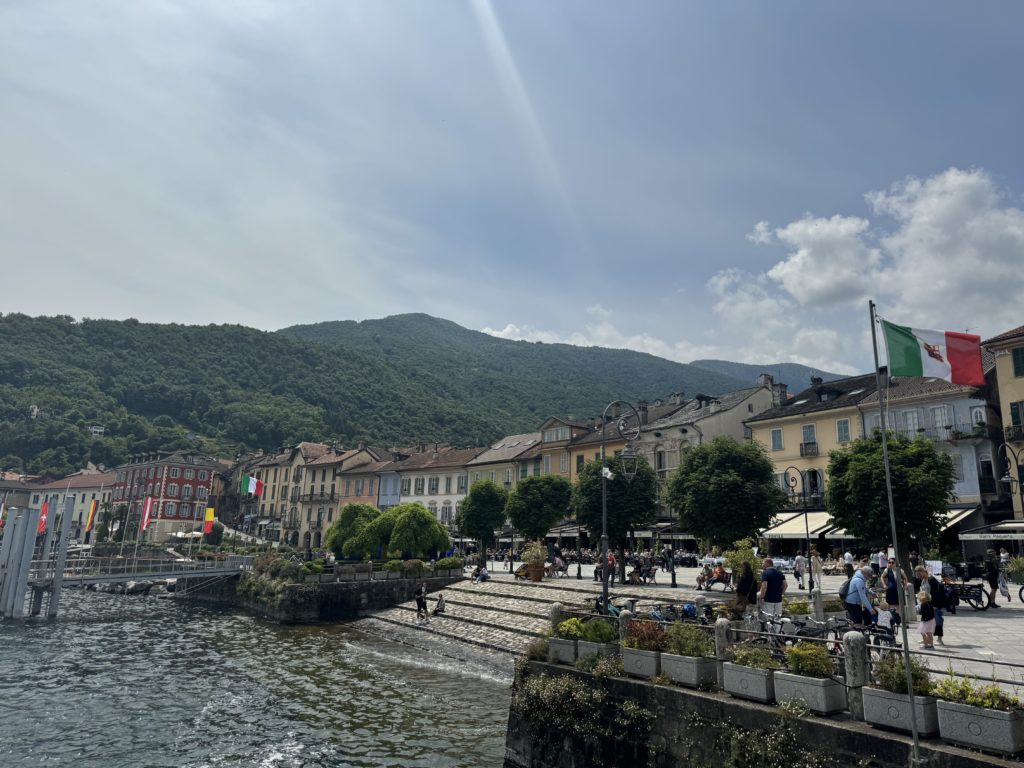
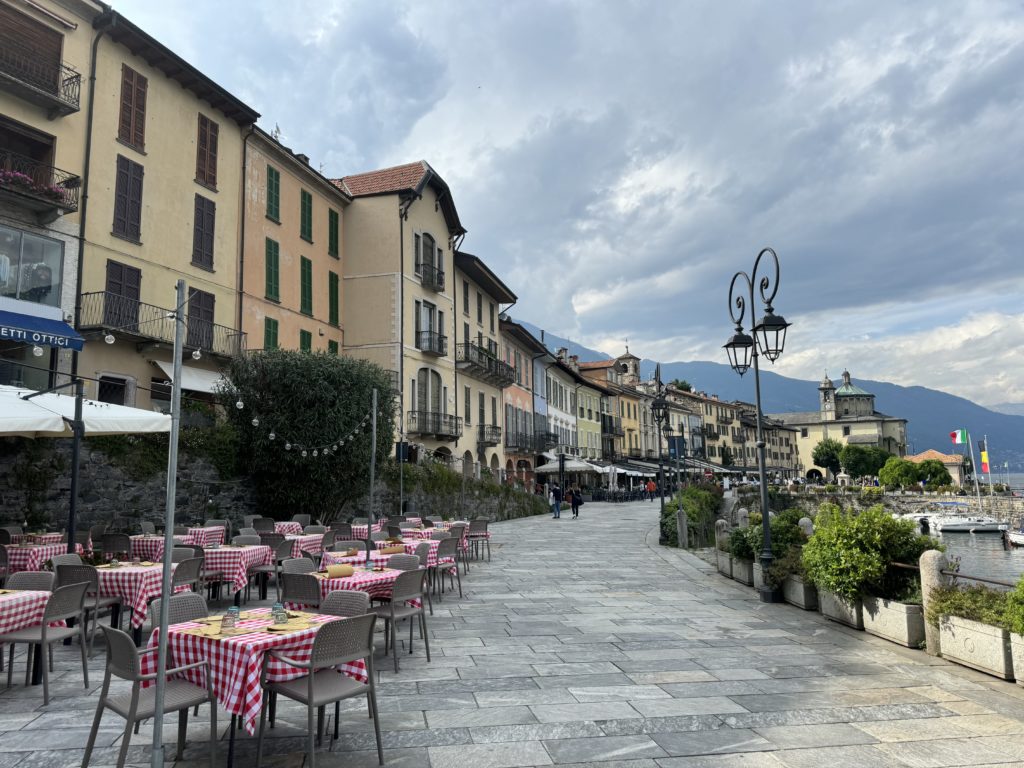
Over four days, we visited several towns around the lake. In Luino, we explored the weekly market with food stalls and local products. From there, we took a ferry across to Cannobio, with a maintained promenade, cafés, and a small harbor. On another day, we drove to Locarno and visited Termali Salini & Spa, a saltwater spa complex located directly on the lake, with heated pools, saunas, and relaxation areas. Afterwards, we walked in town, had coffee at a local café, and happened to catch a street food festival in the main square. You can find more details and recommendations in the full post: Things to Do at Lake Maggiore. 



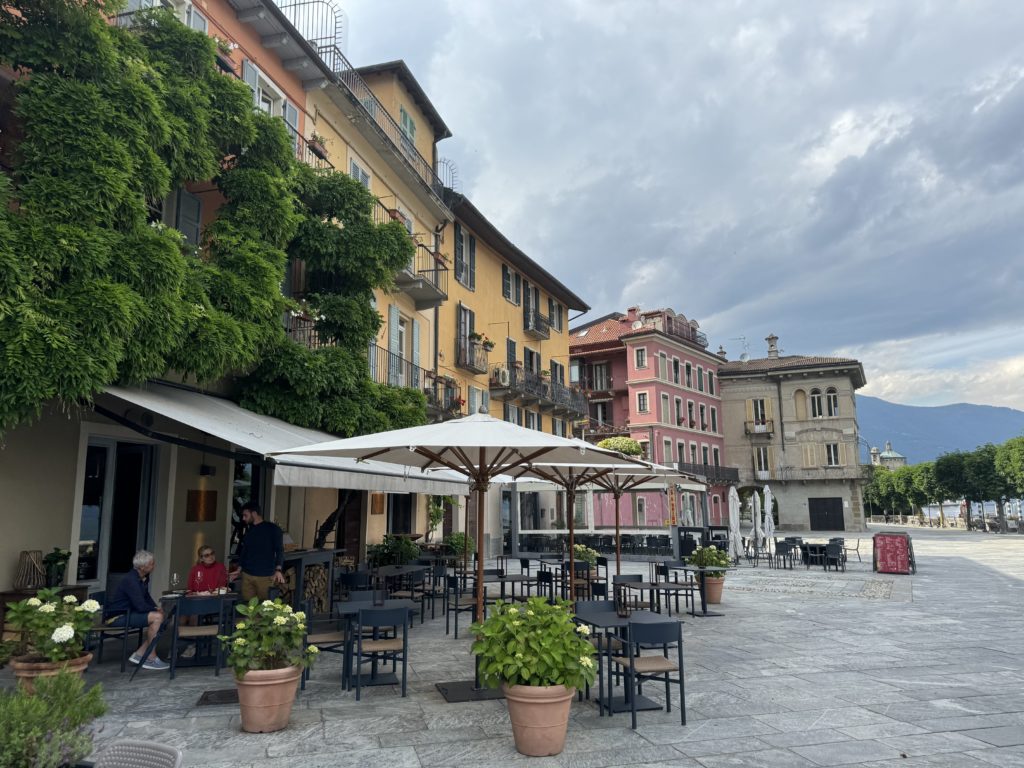
Lake Como
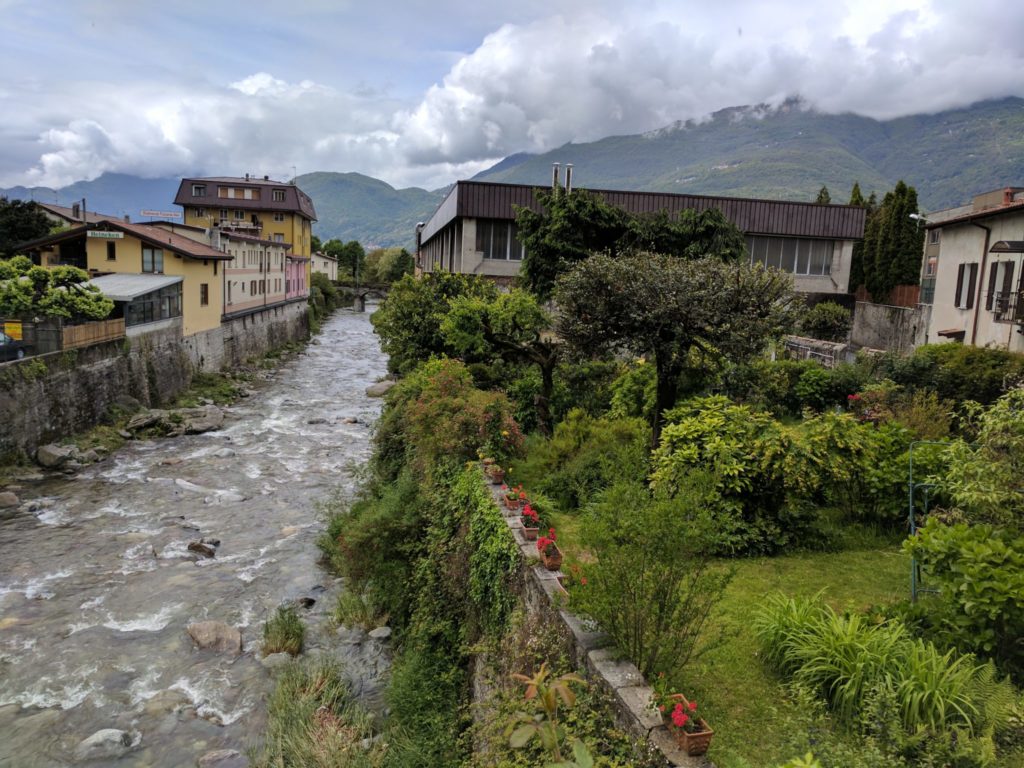
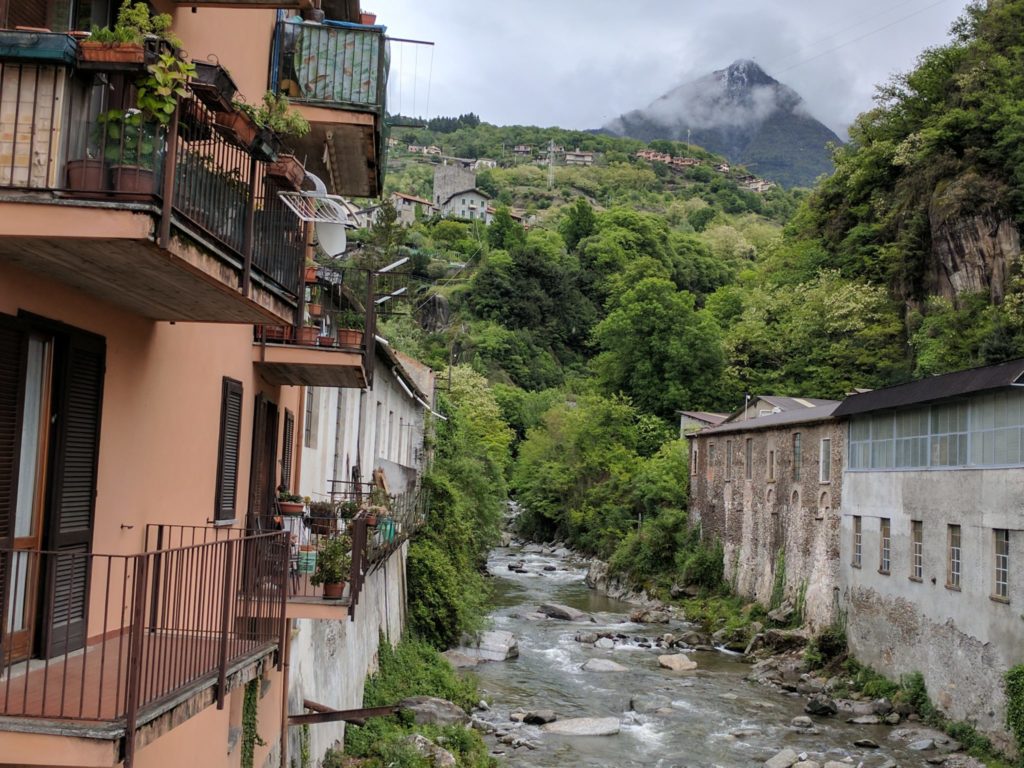
Lake Como is considered one of the most beautiful areas in Italy, and after visiting, we understood why. We arrived after our Tuscany trip and planned to stay for about three days. To experience the area properly, we rented an Airbnb apartment in the quiet village of Dervio on the northeastern side of the lake.
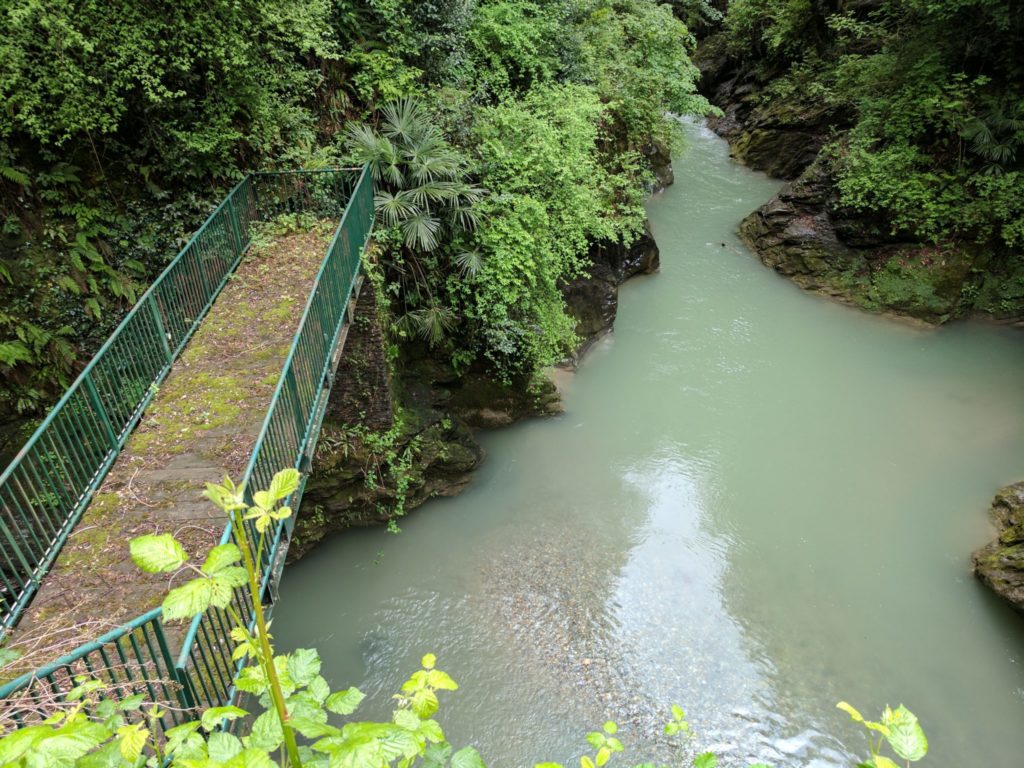
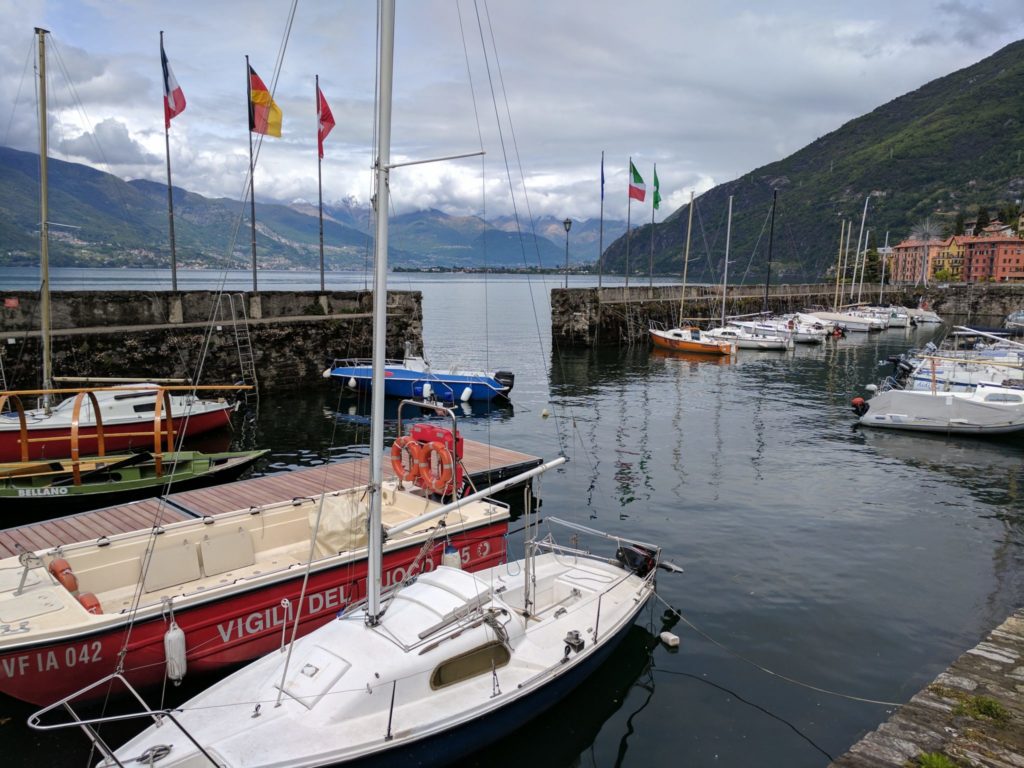
The best way to explore Lake Como is by combining ferries and car travel. We visited Bellano, Varenna, and Bellagio, each with a different character. In Bellagio, we walked through narrow streets with small shops and gardens. In Varenn, we strolled along the waterfront promenade and took a ferry across the lake. In Bellano, we visited Orrido di Bellano, a natural gorge with a waterfall, accessed through built walkways and tunnels in the rock – a good stop on a warm day. We also walked a section of the Sentiero del Viandante trail along the eastern shore, which passes through forests, small villages, and viewpoints over the lake. The route was moderate in difficulty and comfortable overall.
For full planning details and additional recommendations, you can read the dedicated post: Lake Como Travel Guide. 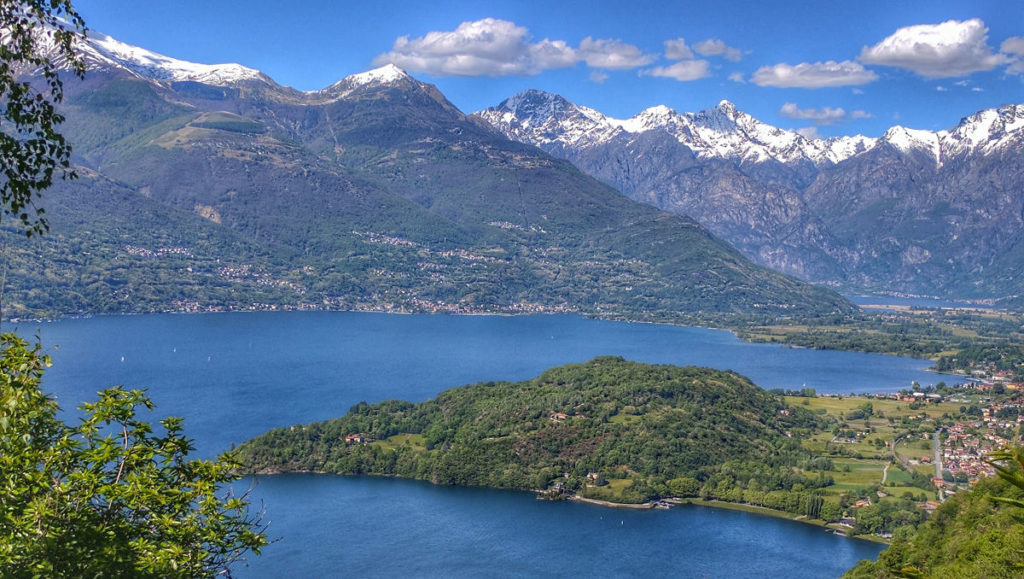



Summary: Italy offers travelers a wide range of experiences – from lively southern cities full of history and street life to the northern regions with clear lakes and mountain landscapes. There are many more destinations across the country that are worth visiting, but these are some of the places that stood out most for us in our trips. If you’ve visited any of these places, I’d be happy to hear what you enjoyed most. And if you have questions, feel free to ask. There are many more Italy posts on the blog – you’re welcome to continue reading and discover more destinations. Have a great trip.
I hope my post helps you. If so, I’d love to hear your comments, and if you have more questions, feel free to ask in the comments or reach out on my blog’s social media: Facebook and Instagram.
More posts I wrote on that
 10 days in Italy – Our itinerary from central to north Italy
 It’s hard not to fall for Bellagio
 Things to Do in Lucca – An Incredible City in Tuscany
 Our Top cafes & bars in Rome
 Great Italian restaurants in Rome
 10 Best things to do in Rome
 Things you must do in Lake Maggiore, Italy
 6 things not to be missed in Milan